Wiki Camera Sd Card Reader
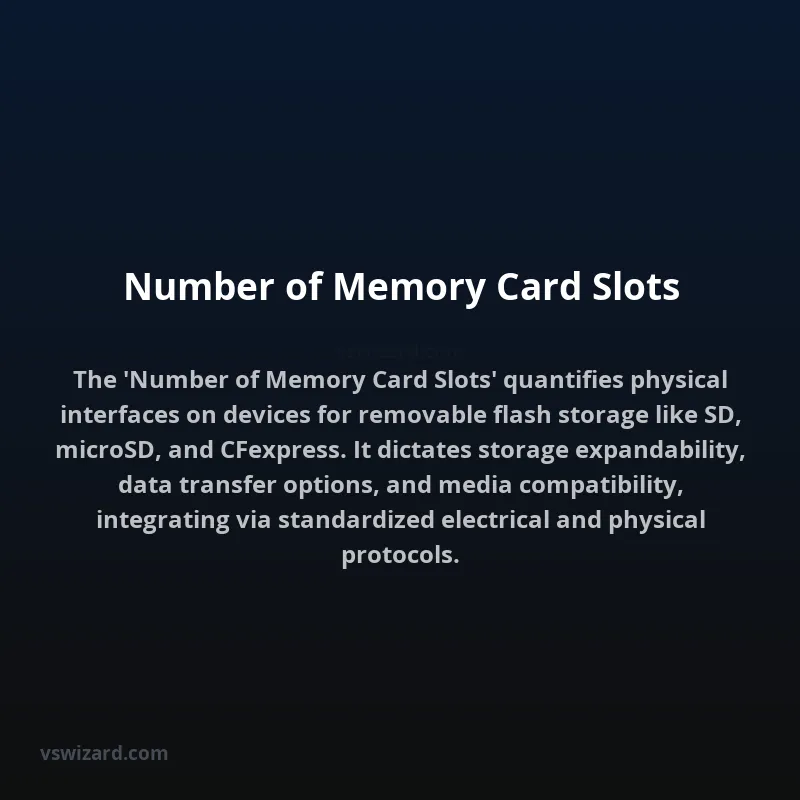
The 'Number of Memory Card Slots' refers to the quantity of discrete physical interfaces integrated into an electronic device designed to accept and interface with removable flash memory cards. These slots facilitate data storage expansion, transfer, and management by conforming to specific physical dimensions and electrical protocols dictated by memory card standards such as SD (Secure Digital), microSD, CompactFlash, or CFexpress. The architecture of these slots involves standardized connector...

Support for simultaneous memory reading refers to the capability of a computing system's memory controller and underlying hardware architecture to service multiple, independent memory access requests from distinct processing units or threads concurrently. This contrasts with sequential memory access, where requests are processed one after another. Modern high-performance computing, including multi-core processors, GPUs, and specialized accelerators, necessitates this feature to maximize data thr...
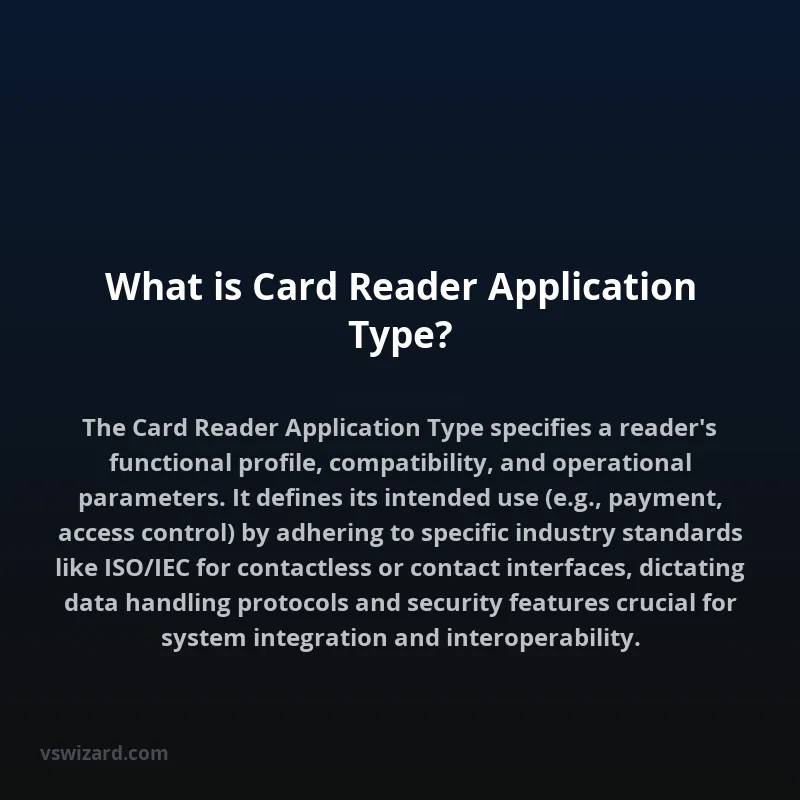
The Card Reader Application Type delineates the specific functional profile and operational parameters designed into a card reader device, dictating its compatibility, data handling protocols, and intended usage scenarios within a broader system. This classification is critical for ensuring interoperability between diverse hardware components, software platforms, and security frameworks. It defines whether a reader is optimized for high-throughput transaction processing, secure credential verifi...
Maximum supported capacity refers to the highest operational load or volume of data, transactions, users, or other quantifiable metrics that a system, component, or infrastructure can sustain reliably under specified conditions without performance degradation below acceptable thresholds or outright failure. This metric is intrinsically linked to the system's design parameters, resource provisioning, and architectural constraints. It is not an absolute theoretical limit but rather a practical bou...