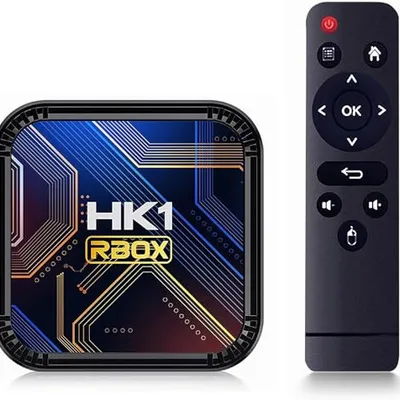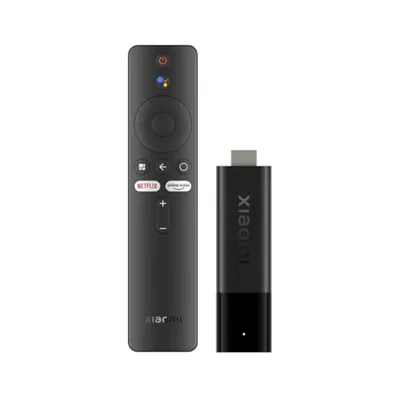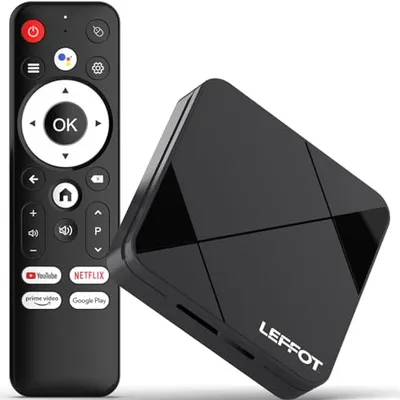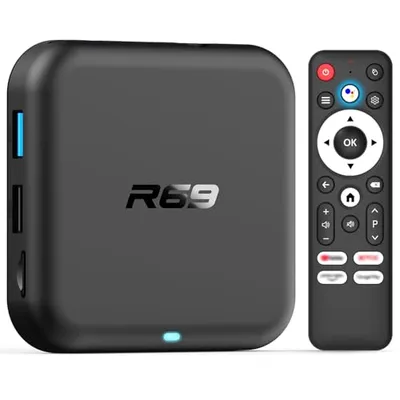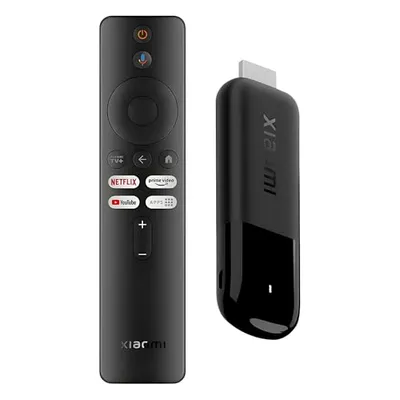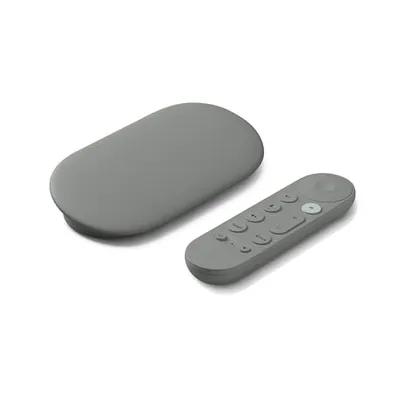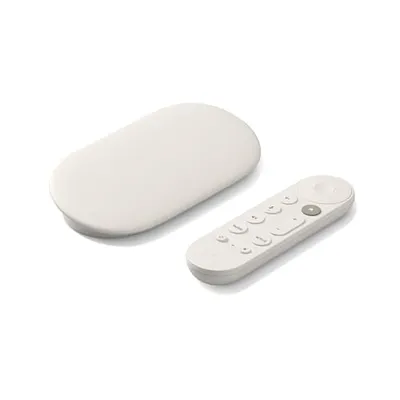
Remote Control Features refer to the specific functionalities and capabilities inherent in a device or system that allow for its operation, monitoring, or configuration from a geographically separated location, typically via a communication network. These features encompass a broad spectrum of interactions, ranging from simple state changes (e.g., power on/off, volume adjustment) to complex data retrieval, diagnostic analysis, and adaptive behavioral modifications. The design and implementation of these features are predicated on robust communication protocols, secure authentication mechanisms, and precise signal transduction to ensure reliable and intended remote manipulation without direct physical access.
The technical architecture supporting Remote Control Features typically involves an embedded control unit within the target device, a communication interface (wired or wireless), and a remote interface or application. The communication can leverage various transmission mediums including radio frequency (RF), infrared (IR), cellular networks (e.g., LTE, 5G), Wi-Fi, Bluetooth, or dedicated industrial protocols like Modbus or CAN bus. Security is paramount, often employing encryption algorithms, access control lists, and challenge-response protocols to mitigate unauthorized access and command injection. The fidelity and responsiveness of these features are critically dependent on factors such as signal strength, network latency, data integrity, and the processing power of both the remote and local units.
Mechanism of Action and Transmission Technologies
Signal Generation and Encoding
Remote control operations commence with the generation of specific commands at the user interface or an automated system. These commands are then encoded into a transmittable signal format. For IR-based systems, this often involves modulating a carrier frequency with a pulse-width or pulse-position encoded data stream representing the command and device address. RF systems utilize various modulation schemes (e.g., Amplitude Shift Keying (ASK), Frequency Shift Keying (FSK), Phase Shift Keying (PSK)) to encode digital data onto a radio wave, with protocols like Zigbee, Z-Wave, or proprietary RF stacks defining the data framing and communication logic.
Communication Channels
The choice of communication channel dictates the range, bandwidth, power consumption, and infrastructure requirements.
- Infrared (IR): Line-of-sight dependent, short-range, low cost. Used in consumer electronics like televisions and air conditioners.
- Radio Frequency (RF): Non-line-of-sight, moderate to long range, varying bandwidth. Common in garage door openers, wireless sensors, and smart home devices.
- Bluetooth/Bluetooth Low Energy (BLE): Short to medium range, low power consumption (BLE), suitable for personal area networks and device pairing.
- Wi-Fi: Medium range, high bandwidth, requires network infrastructure. Enables complex data exchange for smart appliances and IoT devices.
- Cellular (2G/3G/4G/5G): Long range, high bandwidth (especially 5G), global coverage. Ideal for industrial control, fleet management, and remote asset monitoring.
- Wired Protocols (e.g., Ethernet, CAN bus): High reliability, secure, high bandwidth (Ethernet), robust for industrial environments (CAN bus).
Signal Reception and Decoding
Upon reception, the signal is demodulated and decoded by the target device. This involves filtering out noise, recovering the original data stream, and interpreting the command. Error detection and correction codes are often embedded within the data to ensure command integrity. The decoded command then triggers a specific action within the device's firmware or operating system.
Applications Across Industries
Consumer Electronics
This is the most ubiquitous application, including remote controls for televisions, audio systems, gaming consoles, and smart home devices like thermostats, lighting, and security systems. Features often include power management, channel/input selection, volume control, scheduling, and scene activation.
Industrial Automation and Control
In industrial settings, remote control features are critical for operating machinery, monitoring process parameters, and managing safety systems from a central control room or even remotely via SCADA (Supervisory Control and Data Acquisition) systems. This enhances operational efficiency, reduces human exposure to hazardous environments, and enables predictive maintenance.
Automotive Industry
Modern vehicles incorporate remote features for locking/unlocking doors, remote start, location tracking, and diagnostic data retrieval via smartphone applications. Advanced Driver-Assistance Systems (ADAS) also utilize remote data for traffic updates and over-the-air (OTA) software updates.
Healthcare
Remote control features are employed in medical devices such as patient monitoring systems, infusion pumps, and robotic surgical instruments, allowing healthcare professionals to manage and adjust treatments from a safe distance or through remote consultations.
Technical Standards and Protocols
The interoperability and security of remote control features are governed by various standards and protocols.
- Consumer Electronics: HDMI Consumer Electronics Control (CEC) for interoperability between connected devices, Infrared Data Association (IrDA) for IR communication.
- Smart Home/IoT: Wi-Fi (IEEE 802.11), Bluetooth (IEEE 802.15.1), Zigbee (IEEE 802.15.4), Z-Wave, Matter.
- Industrial: Modbus RTU/TCP, CAN bus, Profibus, OPC UA.
- Wireless Security: WPA2/WPA3 for Wi-Fi, AES encryption for various protocols.
Architecture and Implementation Considerations
Embedded Systems Design
The target device requires an embedded microcontroller or processor with sufficient computational power to execute control logic, manage communication interfaces, and process incoming commands. Memory management for firmware and data buffering is also crucial.
Communication Interface Modules
Hardware modules for RF transceivers, Wi-Fi chipsets, Bluetooth modules, or IR LEDs/photodiodes are integrated based on the intended communication technology. This includes antenna design for RF systems to optimize signal propagation.
Software and Firmware
The firmware orchestrates the device's response to remote commands. This involves protocol stacks for communication, command parsing, state management, security validation, and actuator control. Over-the-air (OTA) update capabilities are increasingly integrated for seamless firmware upgrades.
User Interface (Remote Side)
The remote interface can range from a physical handheld remote to a smartphone application, web-based dashboard, or a dedicated control panel. This interface translates user actions into standardized commands for transmission.
Performance Metrics and Evaluation
The efficacy of Remote Control Features is assessed using several key performance indicators:
| Metric | Description | Typical Values/Considerations |
|---|---|---|
| Latency | Time delay between command initiation and device response. | Millisecond to second range, critical for real-time control. |
| Reliability | Probability of successful command execution without errors. | Often expressed as a percentage (e.g., 99.9%); affected by signal quality and interference. |
| Range | Maximum effective operating distance between controller and device. | Varies from meters (IR, Bluetooth) to kilometers (Cellular). |
| Bandwidth | Data transfer rate, relevant for complex commands or telemetry. | Kbps to Mbps or Gbps, depending on the protocol. |
| Power Consumption | Energy usage of the communication module, important for battery-powered devices. | Microwatts (BLE) to Watts (Wi-Fi, Cellular). |
| Security Strength | Robustness against unauthorized access and manipulation. | Evaluated through encryption algorithms, authentication protocols, and penetration testing. |
Challenges and Future Trends
Interoperability and Standardization
Ensuring seamless communication between devices from different manufacturers remains a challenge, driving efforts towards unified standards like Matter. The proliferation of proprietary protocols can fragment the ecosystem.
Security Vulnerabilities
As more devices become connected, the attack surface for cyber threats increases. Robust security measures, including end-to-end encryption and secure boot processes, are essential.
Network Dependence and Latency
Reliance on network infrastructure can lead to failures if connectivity is lost. Minimizing latency is crucial for applications requiring immediate responses, pushing research into edge computing and optimized network protocols.
Power Efficiency
For battery-operated remote devices and IoT sensors, minimizing power consumption is a continuous area of development, leading to the adoption of low-power wireless technologies.
AI Integration
Future trends include the integration of Artificial Intelligence and Machine Learning to enable more intelligent remote control, such as adaptive learning of user preferences, predictive diagnostics, and autonomous operation based on environmental data.