Output power capacity quantifies the maximum electrical power that a device, component, or system can deliver to a load under specified operating conditions. It is a critical performance metric that dictates the operational envelope and suitability of a power source for a given application. This capacity is fundamentally limited by the physical constraints of the components involved, such as the thermal dissipation limits of transistors, the current handling capabilities of conductors, and the energy storage density of batteries or capacitors. Exceeding this capacity can lead to inefficient operation, component degradation, thermal runaway, or catastrophic failure. It is typically expressed in watts (W) or kilowatts (kW), and for AC systems, it may also be specified in volt-amperes (VA) if apparent power is a relevant consideration, distinguishing it from real power (W) by accounting for power factor.
The determination of output power capacity involves detailed analysis of thermal management systems, voltage regulation circuits, current limiting mechanisms, and the overall power conversion efficiency of the device. For power generation systems like generators or solar inverters, it represents the steady-state maximum power output. For power delivery components like power supplies or batteries, it defines the peak or sustained current that can be drawn without compromising functionality or lifespan. Understanding and accurately specifying output power capacity is paramount for engineers designing systems to ensure compatibility between power sources and loads, prevent overloads, and guarantee reliable and safe operation. It is a key parameter in system design, impacting factors such as component sizing, heat sink requirements, and the overall system cost and complexity.
Mechanism of Action and Determinants
The output power capacity of an electronic or electrical system is intrinsically linked to the physical phenomena governing energy conversion and dissipation. For semiconductor devices, such as those found in power amplifiers or voltage regulators, power handling is limited by the junction temperature. As current flows through a semiconductor junction, Joule heating occurs, increasing its temperature. When this temperature reaches a critical threshold, device reliability and performance degrade significantly, potentially leading to irreversible damage. This threshold is a primary determinant of the maximum continuous power output. Similarly, the conductive pathways (e.g., traces on a PCB, wires) have a finite current density limit, beyond which excessive heat generation can occur, leading to excessive voltage drop or even melting.
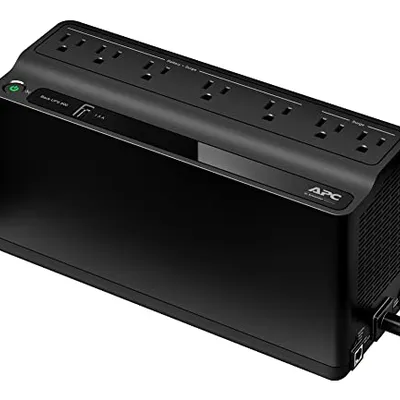
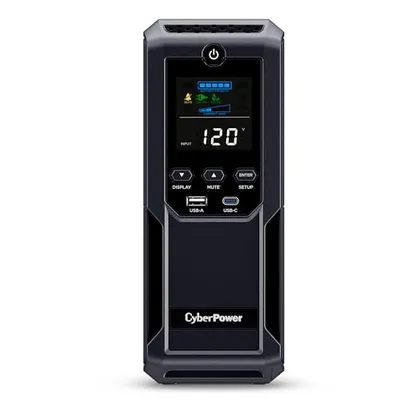
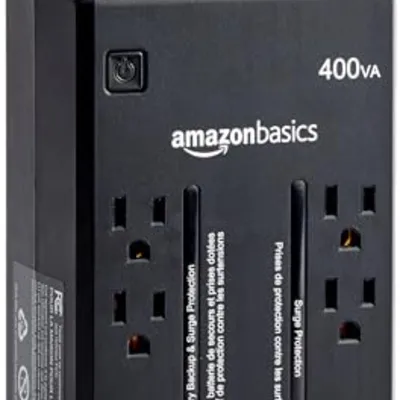
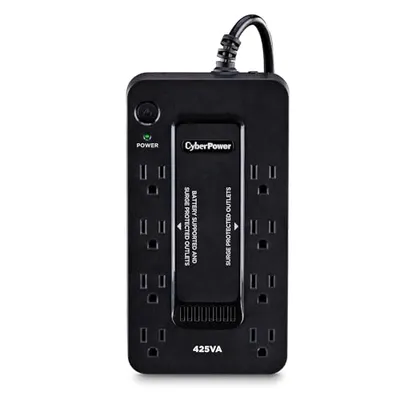
For energy storage devices like batteries, output power capacity is related to the internal resistance and the electrochemical reaction kinetics. Higher discharge rates (higher power output) increase internal voltage drop and generate more heat, accelerating capacity fade and reducing usable energy. For AC power sources, such as uninterruptible power supplies (UPS) or grid-tied inverters, the capacity is often specified in both real power (W) and apparent power (VA). Apparent power (VA) is the product of RMS voltage and RMS current, while real power (W) is the actual power consumed by the load, considering the power factor (cosine of the phase angle between voltage and current). The inverter's ability to handle reactive power (VARs), which contributes to apparent power but not real power, is also a critical aspect of its output power capacity, especially in systems with inductive or capacitive loads.
Industry Standards and Specifications
Several industry standards and conventions define how output power capacity is specified and measured across different sectors. For power supplies and adapters, organizations like the International Electrotechnical Commission (IEC) provide guidelines for safety and performance testing. Standards such as IEC 60950 (for IT equipment) and IEC 62368 (for audio/video, information and communication technology equipment) indirectly influence power capacity considerations through requirements for thermal performance and operational safety.
In the context of audio power amplifiers, standards like those set by the International Electrotechnical Commission (IEC 60268-3) define methodologies for measuring continuous average power, peak power, and distortion levels. These measurements are crucial for correlating amplifier specifications with perceived audio quality and the ability to drive loudspeakers effectively. For renewable energy systems, such as solar photovoltaic (PV) inverters, standards like IEC 62109 (Safety of power converters for use in photovoltaic power systems) and specific grid interconnection standards (e.g., IEEE 1547 in North America, EN 50549 in Europe) dictate nominal output power, maximum continuous output power, and dynamic response characteristics under varying grid conditions.
Applications Across Industries
The concept of output power capacity is ubiquitous in electrical and electronics engineering, manifesting in diverse applications:
- Consumer Electronics: Power adapters for laptops, smartphones, and gaming consoles are rated by their maximum DC output power (e.g., 65W, 100W) to ensure compatibility with devices.
- Telecommunications: Base stations and network equipment require power supplies with specific output power capacities to support their operational load, often with high reliability and redundancy.
- Industrial Automation: Motor drives, industrial power supplies, and robotics systems are designed with output power capacities that match the torque and speed requirements of the driven machinery.
- Automotive: Electric vehicle (EV) powertrains have high output power capacities (often in the hundreds of kilowatts) for acceleration, while onboard chargers and DC-DC converters have lower capacities tailored for specific functions.
- Renewable Energy: Solar inverters and wind turbine generators are specified by their continuous and peak AC output power capacity, influencing the energy yield of the installation.
- Audio Systems: Hi-fi amplifiers are rated for their maximum power output (e.g., 50W per channel into 8 ohms), indicating their capability to drive loudspeakers without distortion.
Performance Metrics and Testing
Evaluating output power capacity involves several key performance metrics and testing methodologies. Continuous Output Power refers to the maximum power the device can sustain indefinitely without exceeding thermal or electrical stress limits. This is often measured at a specific ambient temperature and load impedance. Peak Output Power, also known as surge or transient power, is the maximum power the device can deliver for a short duration, crucial for applications requiring high dynamic range, like audio systems or electric vehicle acceleration.
Efficiency is a critical parameter intrinsically linked to power capacity; higher output power often leads to increased power losses within the device, necessitating robust thermal management. Testing typically involves applying varying loads and measuring output voltage, current, temperature, and distortion. For power supplies, compliance with energy efficiency standards (e.g., 80 Plus for PC power supplies) is also evaluated. Data tables often present output power capacity across different voltage and current combinations, as well as derating curves that illustrate how capacity diminishes with increasing ambient temperature or other environmental factors.
| Parameter | Value | Unit | Notes |
| Input Voltage | 100-240 | VAC | Universal Input Range |
| Input Frequency | 50/60 | Hz | Standard Grid Frequencies |
| Maximum Output Power | 200 | W | Continuous rating |
| Output Voltage (Nominal) | 12 | VDC | Adjustable within limits |
| Maximum Output Current | 16.67 | A | (200W / 12V) |
| Peak Output Current | 20 | A | For 10 seconds |
| Efficiency (at 50% load) | >92 | % | Typical, at 230VAC |
| Operating Temperature | -20 to +70 | °C | Derated above 50°C |
| Hold-up Time | >16 | ms | At full load, 115VAC |
Challenges and Considerations
Designing for high output power capacity presents significant engineering challenges. Thermal Management is paramount; as power output increases, so does the generation of waste heat. Effective heat sinks, fans, or even liquid cooling systems may be required to maintain component temperatures within safe operating limits. Component Selection is critical; devices must be rated for the expected voltage, current, and temperature stresses. Using components with insufficient ratings can lead to premature failure. Voltage Regulation and Stability become more difficult at higher power levels; the power supply must maintain a stable output voltage under varying load conditions, which requires robust feedback and control circuitry.
Power Factor Correction (PFC) is often a regulatory requirement for AC input power supplies exceeding certain power ratings, ensuring that the input current is in phase with the input voltage to minimize harmonic distortion and improve grid efficiency. For switching power supplies, the design of the inductor, transformer, and capacitor stages must accommodate higher power throughput while maintaining efficiency and minimizing electromagnetic interference (EMI). Finally, Cost and Size are always constraints; achieving higher power capacity often involves larger, more complex, and more expensive components and thermal solutions.
Future Trends and Outlook
The trajectory for output power capacity is characterized by a continuous drive for higher power density, improved efficiency, and enhanced reliability across various applications. Advances in wide-bandgap semiconductor materials, such as Gallium Nitride (GaN) and Silicon Carbide (SiC), are enabling the design of power conversion systems that can operate at higher switching frequencies and higher temperatures, leading to smaller, lighter, and more efficient solutions with increased power density. This is particularly relevant for electric vehicles, fast chargers, and advanced power grids.
Furthermore, intelligent power management systems, leveraging AI and advanced control algorithms, are being integrated to optimize power delivery dynamically based on real-time load demands and environmental conditions. This not only improves efficiency but also extends the lifespan of power components by minimizing unnecessary stress. The increasing electrification of transportation and industry, coupled with the growth of renewable energy sources, will continue to place a strong emphasis on developing power systems with ever-increasing output power capacities, while simultaneously demanding greater efficiency, lower losses, and enhanced sustainability.