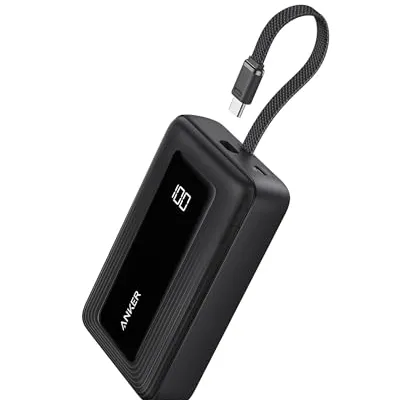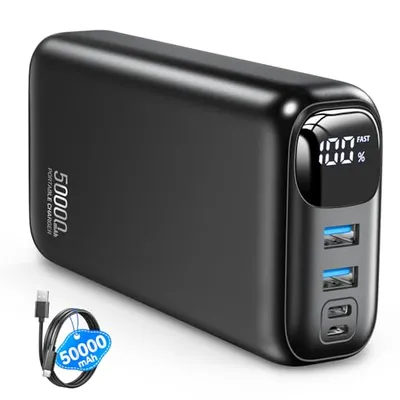
The number of input ports quantifies the discrete interfaces or physical connection points on a hardware device, system, or network node that are designed to receive incoming data streams or signals. Each input port is typically associated with a specific communication protocol, data format, or electrical signaling standard, enabling the device to interact with one or more external entities. This parameter is fundamental in defining a system's connectivity capacity, its ability to ingest data concurrently from multiple sources, and its potential for parallel processing or data aggregation. The physical implementation of these ports can vary widely, encompassing electrical connectors (e.g., USB, Ethernet, HDMI, PCIe), optical transceivers (e.g., SFP, QSFP), or even specialized antenna connections, each dictating the bandwidth, signal integrity, and operational frequency range.
In the context of computational and networking hardware, the number of input ports directly influences performance metrics such as throughput, latency, and scalability. For instance, a network switch with a higher number of Gigabit Ethernet input ports can simultaneously handle more network traffic from connected end-user devices or other network segments, thereby enhancing overall network performance and accommodating a larger user base. Similarly, a high-performance computing (HPC) node equipped with multiple high-speed interconnect input ports (e.g., InfiniBand) is crucial for distributed computing tasks where data must be rapidly exchanged between processing elements. Understanding this specification is paramount for system architects, network administrators, and hardware engineers when designing, deploying, or upgrading systems to meet specific operational requirements and anticipated workloads.
Functionality and Significance
Data Ingestion and Parallelism
The primary function dictated by the number of input ports is the capacity for concurrent data ingestion. Each port represents an independent channel through which data can enter a system. Devices with a higher number of input ports can process multiple data streams simultaneously, enabling parallel operations. This is critical in applications such as network routers handling traffic from numerous subscribers, servers managing requests from many clients, or sensor arrays collecting data from diverse environmental points. The ability to process data in parallel significantly enhances a system's overall efficiency and responsiveness, reducing bottlenecks that would otherwise arise from sequential data handling.
Interface Standardization
Input ports are governed by stringent industry standards that define their physical form factor, electrical characteristics, and data transmission protocols. These standards ensure interoperability between devices from different manufacturers. Examples include:
- Ethernet Ports (RJ45): Standardized for local area networks (LANs), supporting various speeds (e.g., 10/100/1000 Mbps, 10/40/100 Gbps) and protocols like IEEE 802.3.
- USB Ports (Type-A, Type-C): Used for connecting peripherals to computers and other devices, supporting data transfer and power delivery with evolving standards (USB 2.0, 3.x, USB4).
- HDMI Ports: Primarily for audio-visual data transmission, supporting high-definition video and multi-channel audio.
- PCI Express (PCIe) Slots/Ports: High-speed serial expansion bus interfaces used for connecting high-bandwidth peripherals like graphics cards, network interface cards, and storage controllers internally.
- Optical Network Ports (SFP, QSFP): Used in high-speed networking for transmitting data over fiber optic cables, supporting various data rates and signaling schemes.
System Architecture Implications
The number of input ports has profound implications for system architecture. It influences the choice of chipsets, internal bus architecture, processing core allocation, and memory bandwidth requirements. A system designed with numerous high-speed input ports will necessitate a robust internal data fabric capable of distributing incoming data to the appropriate processing units without contention. This often involves complex switching fabrics, direct memory access (DMA) controllers, and sophisticated traffic management algorithms. The physical layout and power consumption associated with these ports also contribute to thermal design considerations and overall system form factor.
Performance Metrics Influenced by Input Ports
The quantity and quality of input ports directly impact several key performance metrics:
- Throughput: The maximum rate of data that can be successfully transferred into the system per unit of time. Higher input port counts, especially at higher bandwidths, enable greater aggregate throughput.
- Latency: The delay between data arriving at an input port and being processed by the system. While not solely determined by port count, inefficient management of multiple input streams can increase latency.
- Jumbo Frame Support: In networking, the ability of input ports to accept frames larger than the standard Ethernet frame size (1500 bytes). This can improve efficiency for large data transfers.
- Quality of Service (QoS): The ability to prioritize different types of traffic arriving at input ports, ensuring critical data streams receive preferential treatment.
Technical Specifications Comparison
The following table illustrates a comparison of input port configurations across different device types:
| Device Type | Typical Number of Input Ports | Primary Interface Standards | Max Bandwidth per Port (Example) | Primary Application |
|---|---|---|---|---|
| Home Router | 4-8 LAN, 1 WAN | Gigabit Ethernet (RJ45) | 1 Gbps | Home Networking, Internet Access |
| Enterprise Switch | 24-48, 72, 96+ | Gigabit/10GbE/40GbE/100GbE Ethernet (RJ45/SFP+) | 100 Gbps | Data Center, Campus Networks |
| Server NIC | 1-4 | 10GbE/25GbE/40GbE/100GbE Ethernet (RJ45/SFP28/QSFP28) | 100 Gbps | Server Connectivity |
| Gaming Console | 1 | Gigabit Ethernet (RJ45) | 1 Gbps | Networked Gaming, Media Streaming |
| High-Performance Computing (HPC) Node | 2-4 (or more) | InfiniBand, High-Speed Ethernet | 200 Gbps+ | Scientific Simulation, AI Training |
Evolution and Future Trends
Historically, input ports were characterized by low speeds and limited functionality, often single-purpose. The evolution has been a dramatic increase in speed, density, and versatility. Early network interfaces operated at megabits per second, whereas modern datacenter switches and HPC interconnects achieve hundreds of gigabits per second per port. Trends indicate a continued push towards higher bandwidth, greater port density (more ports in the same physical footprint), and increased integration of intelligence at the port level, such as embedded processing for offloading tasks like encryption/decryption or packet filtering. Emerging interconnect technologies like CXL (Compute Express Link) are also redefining input/output, allowing for coherent memory sharing and accelerator access directly through specialized I/O ports.
Challenges and Considerations
Despite the advantages, increasing the number and speed of input ports presents challenges:
- Power Consumption: Higher speed interfaces and a greater number of ports contribute significantly to a device's overall power draw.
- Thermal Management: Increased power density generates more heat, requiring sophisticated cooling solutions.
- Signal Integrity: Transmitting high-speed signals over physical media is susceptible to noise, attenuation, and electromagnetic interference, demanding high-quality components and robust design.
- Cost: Advanced high-speed transceivers and intricate board designs increase manufacturing costs.
- Complexity: Managing a large number of high-bandwidth input streams requires complex software and hardware controllers.
The selection of a device based on its number of input ports must be a judicious balance of performance requirements, scalability needs, budget constraints, and physical integration capabilities.