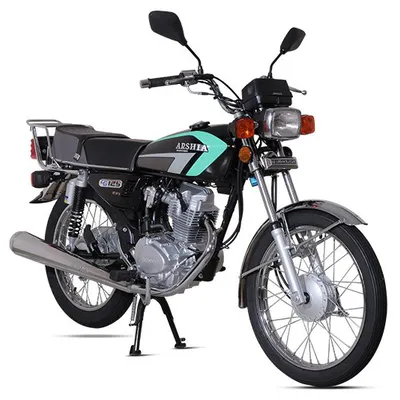
The term 'motorcycle class' fundamentally refers to a categorization system used to group motorcycles based on specific shared characteristics. These characteristics can encompass a wide spectrum of technical specifications, design philosophies, intended usage, and regulatory definitions. Primarily, it distinguishes machines by engine displacement (cubic centimeters or cc), but also frequently incorporates factors such as vehicle weight, frame type, suspension design, braking systems, and power output. This classification is crucial for regulatory bodies in determining licensing requirements, insurance premiums, and vehicle taxation. Furthermore, it serves as a vital descriptor within the enthusiast community and the manufacturing industry for marketing, product segmentation, and comparative analysis.
Beyond the common engine displacement-based tiers, such as lightweight (under 250cc), middleweight (250cc-750cc), and heavyweight (over 750cc), motorcycle classes are also defined by their operational purpose and inherent design. This leads to distinct categories like sportbikes, cruisers, touring motorcycles, dual-sport, off-road bikes, and scooters. Each of these sub-classes embodies a unique engineering approach optimized for specific performance envelopes and rider ergonomics. The development and evolution of these classes are driven by technological advancements in engine design, materials science, chassis dynamics, and rider safety systems, continually pushing the boundaries of what a 'motorcycle' can be and how it performs.
Historical Context and Evolution of Classification
The initial categorization of motorcycles was rudimentary, largely defined by the era's prevailing engine technology and basic functional roles, such as transportation or racing. Early motorcycles, often powered by relatively small, single-cylinder engines, naturally fell into a single, broad 'class'. As engine technology advanced through the early 20th century, with the introduction of multi-cylinder configurations and significantly larger displacements, the need for differentiation became apparent. This period saw the emergence of distinct types like the utilitarian 'roadster' and the more performance-oriented 'sports' models.
The post-World War II era witnessed a significant expansion in motorcycle usage and manufacturing, particularly with the rise of manufacturers from Japan and Europe. This surge in diverse designs led to the formalization of classification systems, often influenced by national regulations and international motorsport bodies like the FIM (Fédération Internationale de Motocyclisme). The widespread adoption of metric engine displacement (cc) as a primary classification metric began to take hold, providing a quantifiable basis for grouping machines. For instance, Grand Prix motorcycle racing has historically used specific engine displacement classes (e.g., 125cc, 250cc, 500cc, and now MotoGP) that have profoundly influenced public perception and manufacturer development strategies.
Regulatory and Licensing Classes
Many jurisdictions employ motorcycle classes that are directly tied to driver licensing structures. These classes are designed to match rider skill and experience with the power and performance capabilities of the machine. A common tiered system might include:
- A1 License Class: Typically permits riding motorcycles up to 125cc engine displacement and a maximum power output of 11 kW (approximately 15 hp), often with a power-to-weight ratio limit.
- A2 License Class: Covers motorcycles with a maximum power output of 35 kW (approximately 47 hp), and which are not derived from a machine with more than double its rated power.
- A License Class: The unrestricted license, allowing riders to operate any motorcycle, regardless of engine size or power output.
These licensing classes directly influence the types of motorcycles available in specific markets and often dictate the marketing segments manufacturers target. Insurance companies also frequently utilize these or similar classifications to assess risk and set premiums, with higher-powered or larger-displacement machines generally incurring higher costs.
Industry and Enthusiast Segmentation
Within the motorcycle industry and among enthusiasts, classification extends beyond regulatory definitions to encompass lifestyle and performance attributes. These classes are often fluid and overlap, but common designations include:
Sportbikes
Characterized by high-performance engines, advanced suspension, aerodynamic fairings, and an aggressive riding posture optimized for speed and agile handling. Engine displacements commonly range from 300cc to over 1000cc, with racing-derived technology.
Cruisers
Designed for relaxed, long-distance riding with a low seat height, swept-back handlebars, and forward-set footpegs. Styling often emphasizes retro or classic aesthetics. Engine displacements vary widely, but larger V-twin engines (800cc and above) are prevalent.
Touring Motorcycles
Built for comfort and long-distance travel, featuring large fairings for wind protection, ample luggage capacity (saddlebags, top boxes), comfortable seating for rider and passenger, and often advanced infotainment systems. Engine sizes are typically large, from 1000cc upwards.
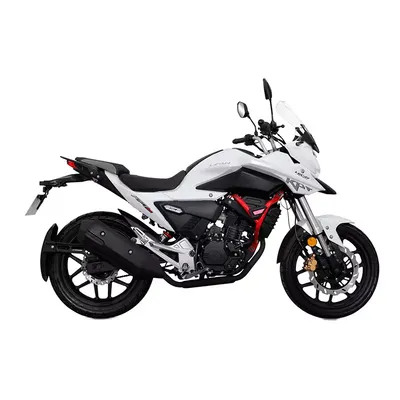
Dual-Sport / Adventure Motorcycles
Versatile machines designed for both on-road and off-road use. They typically feature longer suspension travel, robust construction, higher ground clearance, and often come equipped with features for carrying luggage on extended adventures. Engine displacements can range from 250cc to 1250cc and beyond.
Naked Bikes
Essentially sportbikes stripped of their fairings, offering a more upright riding position and a minimalist aesthetic. They provide a balance of performance and everyday usability.
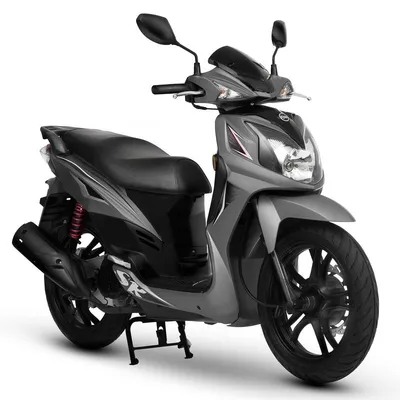
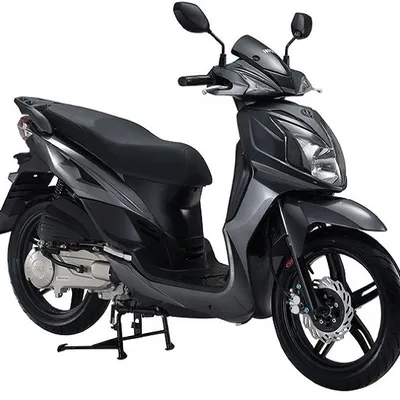
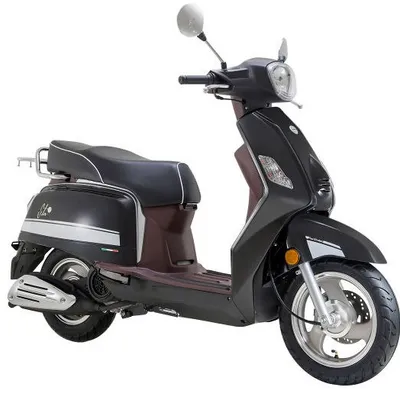
Scooters
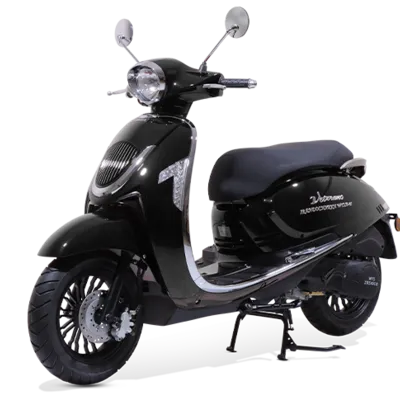
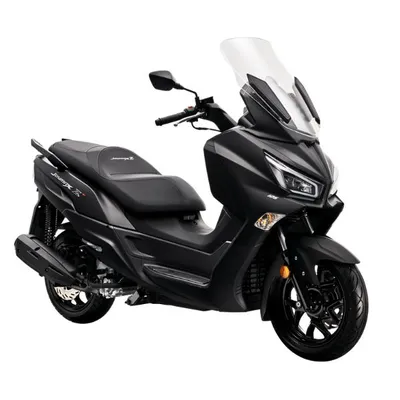
Characterized by a step-through frame, platform for the rider's feet, and an engine often enclosed by bodywork, typically located under the seat. Automatic transmissions (CVT) are standard. Displacement ranges from small 50cc models to maxi-scooters exceeding 650cc.
Off-Road Motorcycles
Specialized for unpaved terrain, including motocross, enduro, and trials bikes. They feature lightweight construction, long-travel suspension, knobby tires, and minimal bodywork, with engine sizes varying by discipline.
Technical Parameters Defining Motorcycle Classes
While engine displacement (cc) is a primary identifier, several other technical parameters are critical in defining and differentiating motorcycle classes:
- Engine Configuration: Inline, V-twin, parallel-twin, boxer, triple-cylinder, etc., influence power delivery characteristics, balance, and packaging.
- Chassis Type: Frame materials (steel, aluminum, carbon fiber) and designs (e.g., diamond, trellis, monocoque) affect rigidity, weight, and handling.
- Suspension System: Travel length, damping adjustability, and type (telescopic forks, USD forks, monoshock, dual shocks) determine ride comfort and off-road capability.
- Braking System: Disc vs. drum, number of discs, caliper design (radial, axial), and integration of ABS (Anti-lock Braking System) are key safety and performance indicators.
- Weight: Dry weight and wet weight (including fluids) significantly impact maneuverability, acceleration, and fuel efficiency.
- Power-to-Weight Ratio: A critical metric derived from engine output and vehicle mass, directly correlating to acceleration and overall performance.
- Wheelbase and Geometry: Affects stability, turning radius, and handling characteristics.
Performance Metrics and Class Benchmarks
Performance is often benchmarked within defined classes. Key metrics include:
- Acceleration: 0-60 mph (or 0-100 kph) times.
- Top Speed: Maximum achievable velocity.
- Braking Distance: From specific speeds (e.g., 60-0 mph).
- Fuel Economy: Measured in miles per gallon (MPG) or liters per 100 kilometers (L/100km).
- Handling Dynamics: Measured through lateral acceleration (g-force) in cornering tests or lap times on specific tracks.
Manufacturers utilize these metrics to position their products within competitive segments. For example, a supersport motorcycle in the 600cc class will be benchmarked against other 600cc sportbikes for track performance, while a large-displacement cruiser will be compared on comfort, torque delivery, and style.
| Class Name | Typical Displacement (cc) | Primary Usage | Key Characteristics |
|---|---|---|---|
| Lightweight Sport | 125 - 300 | Entry-level sport riding, commuting | Agile, fuel-efficient, lower power |
| Middleweight Sport | 300 - 750 | Sport riding, track days, commuting | Balanced performance, handling |
| Supersport | 599 - 1000 | Performance track riding, aggressive street | High power, advanced suspension, aerodynamics |
| Naked Bike | 300 - 1200+ | Street commuting, spirited riding | Upright ergonomics, minimal fairings |
| Cruiser | 600 - 1800+ | Relaxed cruising, touring | Low seat, laid-back posture, torque-focused |
| Touring | 1000 - 1800+ | Long-distance travel | Comfort, luggage capacity, wind protection |
| Adventure/Dual-Sport | 250 - 1290+ | On/off-road exploration | Versatile, robust, long suspension travel |
| Maxi-Scooter | 400 - 650+ | Urban commuting, light touring | Automatic transmission, storage, weather protection |
Future Trends and Technological Impact
The concept of motorcycle classes is evolving with technological advancements. The rise of electric motorcycles presents a new paradigm, where traditional displacement metrics become irrelevant. Classification for electric two-wheelers is shifting towards power output (kW), battery capacity (kWh), torque (Nm), and range. Regulatory bodies and industry associations are actively developing new frameworks to accommodate these zero-emission vehicles. Furthermore, the integration of advanced rider-assistance systems (ARAS), including radar-assisted cruise control, blind-spot detection, and collision mitigation, is becoming a defining characteristic, potentially leading to new sub-classes focused on safety technology.
The continued pursuit of lightweight materials, sophisticated electronic rider aids (traction control, cornering ABS, multiple ride modes), and advanced powertrain technologies will further blur the lines between existing classes, fostering more specialized and performance-oriented designs. Manufacturers will likely continue to leverage sophisticated segmentation strategies, creating niche categories within broader classes to appeal to specific rider demographics and preferences. Ultimately, motorcycle classification remains a dynamic system, adapting to both technological innovation and evolving consumer demands.