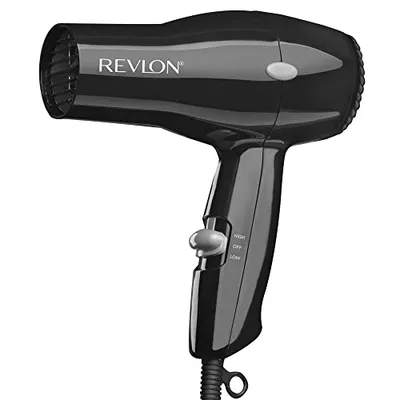
The Cold Air Setting Button is a user interface element integrated into various airflow-generating appliances, most commonly hair dryers and sometimes air conditioners or dehumidifiers. Its primary function is to interrupt the heating element, thereby diverting ambient or cooled ambient air as the output medium rather than heated air. This action is facilitated by a momentary or latching switch that alters the electrical circuit controlling the heating coil. By disabling the heating element, the device exclusively utilizes its fan motor to circulate air, achieving a lower exhaust temperature. This mode is critical for applications requiring a non-thermal air stream, such as setting hairstyles, cooling down surfaces, or preventing heat damage to sensitive materials.
The operational mechanism typically involves a simple electrical switch. When activated, this switch opens the circuit supplying power to the resistive heating element within the appliance. The fan motor, which is usually powered independently or through a separate circuit path, continues to operate, drawing in surrounding air and expelling it through the nozzle. The temperature reduction achieved is directly related to the ambient air temperature, as no active cooling process is involved; it is purely the absence of supplemental heat. The user experience is characterized by an immediate cessation of heat production, indicated visually or audibly by the appliance's status.
Mechanism of Action
The Cold Air Setting Button operates on a fundamental electrical switching principle. Appliances equipped with this feature incorporate a heating element, typically a resistive coil (e.g., Nichrome wire) or a ceramic heating element, designed to increase air temperature as air passes over it. This heating element is connected in series or parallel with the main power supply circuit, often controlled by thermostats or thermal fuses for safety. The Cold Air Setting Button functions as a bypass or interrupt switch for this heating element circuit. When engaged, it either breaks the electrical connection to the heating element, rendering it inactive, or redirects current away from it. Simultaneously, the fan motor, responsible for air propulsion, remains powered and operational, drawing in ambient air and expelling it through the appliance's conduit.
Circuitry and Componentry
The internal architecture supporting the Cold Air Setting Button involves a low-resistance electrical switch. This can manifest as a tactile push-button, a toggle switch, or a rocker switch. In more sophisticated designs, particularly those with variable speed settings, the button might be integrated into a multi-function control panel, often utilizing electronic controls rather than purely mechanical switches. The key component is the interruption of power to the heating element, which is typically rated at a specific wattage (e.g., 1200W, 1875W for hair dryers). The fan motor, in contrast, is designed to operate continuously regardless of the heating element's status. Safety features, such as thermal cut-offs and automatic shut-offs, are often designed to function independently of the cold air setting to prevent overheating even when the heating element is theoretically disabled.
Applications
The utility of the Cold Air Setting Button extends across several domains, primarily in personal care appliances and certain environmental control devices.
Personal Care Appliances
In hair dryers, the cold air setting is paramount for professional hairstyling. It allows for the final setting of a hairstyle after heat styling, helping to lock in volume, reduce frizz by closing the hair cuticle, and prevent thermal shock to the hair shaft. This is particularly important for delicate hair types or for styles requiring longevity. The abrupt temperature change from hot to cool air is a critical step in many blow-drying techniques. Beyond hair dryers, some styling tools like curling irons or straighteners may incorporate a cooling phase or a dedicated cold air output for similar finishing purposes, though less common.
Environmental Control Devices
While less prevalent, some portable air conditioning units or dehumidifiers might feature a 'fan-only' or 'vent' mode that effectively functions as a cold air setting. This mode allows for air circulation without the active cooling or dehumidification cycles, useful for ventilation or simply moving air within a room when temperature or humidity control is not required. In these contexts, it's not about setting a hairstyle but about energy conservation or basic air movement.
Industry Standards and Specifications
There are no specific ISO, IEC, or ANSI standards exclusively dedicated to the 'Cold Air Setting Button' itself as a standalone component. However, its integration must comply with broader electrical safety and performance standards applicable to the host appliance. For hair dryers, this typically includes standards like IEC 60335-2-23 for household and similar electrical appliances – Part 2-23: Particular requirements for appliances for skin care. These standards mandate requirements for electrical insulation, thermal protection, ingress protection (IP rating), and user interface design, ensuring the cold air function is safe and reliably activated without unintended heating.
Performance Metrics
The effectiveness of a cold air setting is primarily measured by the outlet air temperature difference compared to ambient. For a hair dryer, a typical hot air setting might range from 60°C to 120°C (140°F to 248°F) above ambient, while the cold air setting should ideally approximate ambient temperature, perhaps within 5-10°C (9-18°F) variance due to residual heat from the motor or internal airflow dynamics. The airflow rate, measured in cubic feet per minute (CFM) or cubic meters per hour (CMH), remains a critical performance metric, ensuring sufficient air volume is delivered regardless of the temperature setting.
| Feature | Hot Air Setting | Cold Air Setting |
|---|---|---|
| Heating Element Status | Active | Inactive (Bypassed/Off) |
| Primary Function | Heating and drying | Styling, setting, cooling |
| Output Air Temperature | Significantly above ambient | Approximately ambient |
| Power Consumption | Higher (Heating element + Fan) | Lower (Fan only) |
| Typical Application | Rapid drying | Hair style setting, frizz reduction |
Pros and Cons
Advantages
- Prevents heat damage to hair or other sensitive materials.
- Aids in setting and locking hairstyles, enhancing longevity and reducing frizz.
- Reduces energy consumption by deactivating the heating element.
- Can be used for gentle air circulation without thermal stress.
Disadvantages
- Does not actively cool the air; output temperature is limited by ambient conditions.
- May require longer processing time for initial drying compared to a hot setting.
- The effectiveness is dependent on the ambient air temperature and humidity.
Evolution and Future Outlook
The concept of a cold air setting has been present since the inception of electrically heated air appliances. Early hair dryers often featured simple toggle switches, offering only 'hot' or 'cold' (fan-only) options. The evolution has seen this basic function integrated into more complex control systems, including variable temperature and speed controls, and digital interfaces. Future developments might involve more precise temperature regulation even in cold air modes (e.g., active thermoelectric cooling, though energy-intensive and rare), or advanced airflow management for more efficient setting and reduced noise. The core utility of a non-heated airflow remains fundamental and is likely to persist across appliance generations.