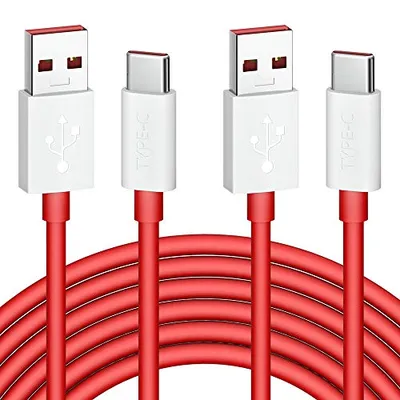
Cable jacket material refers to the outermost protective layer enveloping electrical or optical cables. Its primary function is to provide mechanical robustness, shield against environmental degradation, and ensure electrical insulation or signal integrity where applicable. The selection of jacket material is dictated by stringent performance requirements, including resistance to abrasion, chemical attack, extreme temperatures, flame retardancy, UV exposure, and moisture ingress. These properties are critical for the cable's longevity, safety, and reliable operation across diverse deployment scenarios, ranging from industrial environments and data centers to telecommunications infrastructure and aerospace applications.
The engineering of cable jacket materials involves a sophisticated understanding of polymer science, material physics, and relevant industry standards. Thermoplastics, thermosets, and elastomeric compounds are commonly employed, each offering a unique balance of physical, thermal, and chemical characteristics. Specific formulations are engineered to meet distinct certifications, such as UL (Underwriters Laboratories) flame tests (e.g., VW-1, 75°C, 90°C), plenum (CMP) or riser (CMR) ratings for fire safety in building infrastructure, and IEC (International Electrotechnical Commission) standards for environmental resistance. Advanced materials incorporate additives for enhanced performance, including flame retardants, UV stabilizers, plasticizers, and reinforcing fillers, to tailor the jacket for specialized applications and ensure compliance with electromagnetic compatibility (EMC) and safety regulations.
Polymer Families and Properties
The selection of polymer families for cable jacketing is a foundational aspect of cable design, driven by the intended application environment and performance mandates. Each polymer class possesses inherent characteristics that dictate its suitability for specific use cases.
Thermoplastics
Thermoplastics are characterized by their ability to be repeatedly softened by heating and hardened by cooling. This property facilitates manufacturing processes like extrusion. Common thermoplastic jacket materials include:
- Polyvinyl Chloride (PVC): Widely used due to its cost-effectiveness, good dielectric properties, flexibility, and inherent flame resistance. It can be formulated with plasticizers to achieve a broad range of flexibility. However, it may degrade under prolonged UV exposure and at extreme temperatures, and its combustion products can be corrosive.
- Polyethylene (PE): Offers excellent moisture resistance and good electrical insulation properties. Different densities (LDPE, HDPE, LLDPE) provide varying degrees of flexibility and toughness. Cross-linked polyethylene (XLPE) exhibits enhanced thermal and mechanical properties, making it suitable for higher temperature applications and power cables.
- Thermoplastic Elastomers (TPEs): A hybrid class combining the processing advantages of thermoplastics with the elastic properties of rubber. TPEs offer good flexibility, abrasion resistance, and a wide operating temperature range.
- Nylon (Polyamide): Known for its high tensile strength, excellent abrasion resistance, and good chemical resistance to oils and solvents. Often used as a secondary jacket layer or in conjunction with other polymers.
Thermosets
Thermosetting polymers undergo irreversible chemical cross-linking during curing, resulting in a rigid, three-dimensional network structure. This cross-linking enhances thermal stability, chemical resistance, and mechanical strength, making them suitable for demanding applications.
- Ethylene Propylene Rubber (EPR) / Ethylene Propylene Diene Monomer (EPDM): Excellent flexibility, resistance to ozone, UV, and weathering, and a wide operating temperature range. Often used in power cables and flexible cords.
- Chlorosulfonated Polyethylene (CSPE, Hypalon): Offers exceptional resistance to ozone, weathering, chemicals, and abrasion. Its durability makes it suitable for outdoor and harsh industrial environments, although its use has diminished due to environmental concerns regarding its production.
Fluoropolymers
Fluoropolymers are highly specialized materials known for their superior chemical inertness, thermal stability, and low friction characteristics. They are typically employed in environments where extreme resistance to chemicals, high temperatures, and flame retardancy are paramount.
- Fluorinated Ethylene Propylene (FEP): Offers excellent chemical resistance, a wide temperature range, and good dielectric properties.
- Polyvinylidene Fluoride (PVDF): Exhibits high strength, excellent chemical resistance, and good flame retardancy.
- Polytetrafluoroethylene (PTFE, Teflon): Provides exceptional chemical inertness, a very wide operating temperature range, and low dielectric loss, making it ideal for high-frequency applications and extreme environments.
Performance Metrics and Testing
The performance of cable jacket materials is rigorously evaluated through standardized testing protocols to ensure reliability and safety. Key performance indicators and associated tests include:
Mechanical Properties
- Tensile Strength and Elongation at Break: Measures the material's resistance to stretching and its ability to deform before fracturing. (e.g., ASTM D412)
- Abrasion Resistance: Assesses the material's ability to withstand wear and tear from friction. (e.g., Taber Abrasion Test, ICE 1344)
- Tear Strength: Indicates the force required to propagate a tear in the material. (e.g., ASTM D624)
- Impact Resistance: Evaluates the material's ability to withstand sudden blows or shocks.
Environmental Resistance
- Temperature Range: Defines the minimum and maximum operating temperatures.
- UV Resistance: Assesses degradation due to ultraviolet light exposure. (e.g., ASTM G154)
- Chemical Resistance: Evaluates the material's stability when exposed to various fluids like oils, solvents, and acids. (e.g., ASTM D471)
- Moisture Absorption: Measures the rate and amount of water absorption, which can affect electrical properties. (e.g., ASTM D570)
- Ozone Resistance: Crucial for cables exposed to outdoor environments. (e.g., ASTM D1149)
Electrical and Fire Safety Properties
- Dielectric Strength: Measures the maximum electric field the material can withstand before electrical breakdown. (e.g., ASTM D149)
- Volume Resistivity: Indicates the material's resistance to current flow through its bulk. (e.g., ASTM D257)
- Flame Retardancy: Assesses the material's ability to resist ignition and inhibit the spread of flame. Key standards include:
- UL 94: Classifies materials based on their burning behavior (e.g., V-0, V-1, V-2).
- IEC 60332: Standard for the testing of electrical cables under fire conditions.
- Plenum (CMP) and Riser (CMR) Ratings: Building codes specifying flame spread and smoke generation for cables installed in air-handling spaces (plenum) or vertical shafts (riser).
- Smoke Generation: Measures the density of smoke produced during combustion. (e.g., IEC 61034)
Industry Standards and Certifications
Compliance with established industry standards is paramount for ensuring cable safety, performance, and interoperability. Key organizations and standards relevant to cable jacket materials include:
- UL (Underwriters Laboratories): Develops standards for safety testing and certification, including flame tests (UL 94) and cable construction requirements (e.g., UL 1651 for Optical Fiber Cables).
- IEC (International Electrotechnical Commission): Publishes international standards for electrical, electronic, and related technologies. Relevant standards include IEC 60332 (flame tests) and IEC 60502 (power cables).
- IEEE (Institute of Electrical and Electronics Engineers): Develops standards, particularly for power systems and telecommunications.
- TIA (Telecommunications Industry Association): Sets standards for telecommunications infrastructure, including cabling and connectors (e.g., TIA-568 series).
- NEC (National Electrical Code) / NFPA 70: The standard for electrical installations in the United States, which dictates cable jacket requirements for different installation environments (plenum, riser, general purpose).
Application-Specific Considerations
The choice of cable jacket material is highly application-dependent:
- Data Communications Cables (Ethernet): Often use PVC or LSZH (Low Smoke Zero Halogen) compounds for indoor installations, meeting TIA and NEC standards for flame retardancy (CM, CMR, CMP).
- Power Cables: Require robust materials like XLPE, EPR, or PVC, often with enhanced thermal and mechanical properties to withstand higher voltages and currents, and potentially outdoor exposure.
- Industrial and Harsh Environments: Demand materials with high resistance to chemicals, oils, abrasion, and extreme temperatures. TPEs, heavy-duty PVC, or specialized fluoropolymers are common.
- Aerospace and Automotive: Often necessitate lightweight, flame-retardant, and high-temperature resistant materials like fluoropolymers (PTFE, FEP) and specialized elastomers.
- Medical Devices: Require biocompatible, easily sterilizable, and chemically resistant jacketing materials, frequently employing medical-grade silicones or thermoplastic elastomers.
Advancements and Future Trends
Research and development in cable jacket materials focus on improving sustainability, enhancing performance, and meeting evolving regulatory demands. Key trends include:
- Low Smoke Zero Halogen (LSZH) materials: Driven by safety regulations, these materials emit significantly less smoke and no toxic halogenated gases when burned, making them preferred for indoor public spaces and sensitive electronic environments.
- Bio-based and Recycled Polymers: Increasing emphasis on sustainable materials derived from renewable resources or incorporating recycled content to reduce environmental impact.
- Nanocomposites: Incorporation of nanomaterials to enhance mechanical strength, flame retardancy, and thermal conductivity.
- Self-healing Jacketing: Development of materials capable of repairing minor cuts or abrasions, extending cable lifespan.
- Smart Jacketing: Integration of sensing capabilities within the jacket material for condition monitoring and early fault detection.
| Material Type | Key Advantages | Key Disadvantages | Typical Applications | Relevant Standards |
| PVC | Cost-effective, Good dielectric, Flame retardant | Poor UV resistance, Limited temperature range, Corrosive smoke | Indoor LAN cables, Power cords, General purpose wiring | UL 94, NEC CM/CMR/CMP |
| PE (Cross-linked) | Excellent moisture resistance, High thermal & mechanical strength | Poor flame retardancy (untreated), Can be rigid | Power transmission cables, Outdoor cables | IEC 60502, UL 1651 |
| EPR/EPDM | Excellent flexibility, Ozone & weather resistance | Lower tensile strength than some plastics | Medium voltage power cables, Flexible cords | IEC 60502, UL 44 |
| TPE | Good flexibility, Abrasion resistance, Wide temp range | Higher cost than PVC, Moderate chemical resistance | Robotics, Industrial automation, Automotive | SAE J1961, UL 1581 |
| Fluoropolymers (FEP, PTFE) | Extreme chemical & thermal resistance, Low dielectric loss, Non-flammable | High cost, Difficult processing | High-frequency applications, Aerospace, Harsh chemical environments | UL 20232, MIL-DTL-27500 |
| LSZH | Low smoke emission, No toxic halogen gases | Higher cost than PVC, Potentially less flexible | Public buildings, Data centers, Rail transport | IEC 60332, IEC 61034, EN 50268 |
The encapsulation of conductors or optical fibers within a protective jacket is a fundamental engineering challenge, directly impacting system reliability and safety. The material science behind cable jacketing is a dynamic field, continuously evolving to meet the stringent demands of modern infrastructure, from high-speed data transmission networks and high-power energy grids to critical aerospace and medical systems. Innovations in polymer chemistry and processing technologies are pushing the boundaries of performance, enabling cables to operate reliably under increasingly extreme conditions while adhering to rigorous environmental and safety regulations.