Audio modes represent distinct operational configurations or profiles within an audio system, designed to optimize acoustic performance, signal processing, or user experience for specific scenarios or content types. These modes are not arbitrary settings but are typically engineered based on psychoacoustic principles, signal-to-noise ratio considerations, dynamic range management, and desired output characteristics such as clarity, immersion, or speech intelligibility. The selection and implementation of audio modes involve intricate signal chain management, encompassing adjustments to equalization (EQ), dynamic range compression (DRC), spatial audio processing (e.g., virtual surround sound), reverberation algorithms, and channel mapping. Each mode is fundamentally a pre-defined set of parameters applied to the audio signal path, deviating from a neutral or flat response to achieve a targeted auditory outcome.
The underlying technology of audio modes often leverages sophisticated digital signal processing (DSP) algorithms. These algorithms can range from simple parametric EQ adjustments to complex convolutional reverberation or AI-driven scene analysis that dynamically selects or adapts the optimal mode. In professional audio contexts, modes might be optimized for specific genres of music (e.g., 'Rock', 'Classical'), acoustic environments (e.g., 'Concert Hall', 'Live Club'), or functional requirements (e.g., 'Speech', 'Monitoring'). In consumer electronics, modes such as 'Cinema', 'Music', 'Game', or 'Night' mode aim to enhance the perceived quality and suitability of audio playback for the intended application. The fidelity and effectiveness of these modes are critically dependent on the quality of the DSP hardware and software, the accuracy of the acoustic modeling, and the calibration of the audio output transducers.
Mechanism of Action
The operational mechanism of audio modes is predicated upon the manipulation of audio signal characteristics through digital signal processing. At its core, each mode is a distinct preset composed of multiple DSP parameters. These parameters can include:
- Equalization (EQ): Adjusting frequency response curves to boost or cut specific frequency bands. This is crucial for tailoring the tonal balance, enhancing clarity, or mitigating acoustic deficiencies. For instance, a 'Speech' mode might employ a high-pass filter and a boost in the 2-4 kHz range for intelligibility.
- Dynamic Range Compression (DRC): Altering the difference between the loudest and quietest parts of the audio signal. 'Night' modes, for example, often employ DRC to reduce peak levels and boost quiet passages, making the audio audible at lower listening volumes without losing critical details.
- Spatial Audio Processing: Techniques like virtual surround sound, binaural rendering, or object-based audio processing aim to create a sense of spaciousness or directional cues. 'Cinema' modes frequently utilize these to simulate multi-channel speaker arrangements.
- Reverberation and Delay: Applying artificial echo or ambience to simulate acoustic spaces. 'Concert Hall' modes use algorithms to mimic the natural reverberation characteristics of such venues.
- Crossover Frequencies and Bass Management: In multi-channel or multi-speaker systems, modes can dictate how frequencies are split between different drivers or subwoofers, influencing bass response and overall system synergy.
- Channel Level Balancing and Steering: Adjusting the relative volume of different audio channels or directing audio signals to specific channels to optimize perceived imaging or immersion.
These parameters are applied sequentially or in parallel within the DSP chain. The system architecture dictates whether these modes are user-selectable or automatically triggered by content analysis (e.g., detecting audio codecs or loudness levels). The fidelity of the DSP implementation, including the bit depth, sample rate, and algorithm efficiency, directly impacts the quality and transparency of the mode's effect.
Industry Standards and Formats
While there are no universal, overarching industry standards specifically defining 'Audio Modes' as a singular concept across all domains, various established standards and formats influence their implementation and interoperability. These include:
- Audio Codecs: Standards like Dolby Digital (AC-3), Dolby TrueHD, DTS-HD Master Audio, AAC, and MP3 define how audio is compressed and often carry metadata that can inform or be used by playback devices to select appropriate processing modes. For example, identifying a Dolby Atmos stream might automatically engage a 'Dolby Atmos' mode.
- Audio Processing Standards: While not always explicit 'modes', standards related to broadcast loudness (e.g., ITU-R BS.1770) necessitate specific dynamic range control and integration to ensure consistent perceived volume across different content, indirectly influencing processing strategies akin to modes.
- Spatial Audio Technologies: Formats like Dolby Atmos, DTS:X, and Sony 360 Reality Audio, along with their associated rendering engines, are essentially sophisticated audio modes designed for immersive experiences. Their implementation follows specific technical specifications.
- Professional Audio Standards: Standards in professional audio, such as those governing digital audio networking (e.g., AES67) or audio file formats (e.g., WAV, Broadcast Wave Format), can facilitate the storage and recall of complex processing chains that constitute specific audio modes.
Manufacturers often develop proprietary implementations and naming conventions for their audio modes, leading to a fragmented landscape. However, the underlying DSP principles and the goals of these modes (e.g., clarity, immersion) are often driven by established psychoacoustic research and best practices, even if not codified into a single international standard.
Evolution and Historical Context
The concept of distinct audio processing configurations has evolved significantly from early stereo enhancement techniques to modern sophisticated multi-dimensional soundscapes. Initially, audio adjustments were primarily analog, involving simple tone controls (bass and treble) or basic graphic equalizers. With the advent of digital audio and Digital Signal Processors (DSPs) in the late 20th century, the complexity and precision of audio manipulation increased dramatically.
Early implementations in consumer audio systems focused on simple presets like 'Mono', 'Stereo', or basic equalization curves for different music genres. The introduction of surround sound technologies, starting with formats like Dolby Surround and DTS, marked a significant leap, introducing distinct processing for channel separation and spatialization. As DSP capabilities advanced, so did the sophistication of audio modes. Home theater systems began offering modes like 'Dolby Pro Logic', 'THX Cinema', and later, advanced formats that could decode and render discrete channels or object-based audio metadata.
The proliferation of digital audio sources, streaming services, and increasingly powerful embedded processors in devices like smartphones, soundbars, and AV receivers has fueled the development of a wider array of specialized audio modes. These modes are increasingly adaptive, employing real-time analysis of content and acoustic environments to fine-tune parameters. The drive towards immersive audio experiences (e.g., Dolby Atmos, DTS:X) represents the current frontier, where 'modes' are not just presets but complex rendering engines that dynamically interpret and recreate three-dimensional sound fields.
Applications
Audio modes are deployed across a broad spectrum of applications, each tailored to enhance specific aspects of the audio experience:
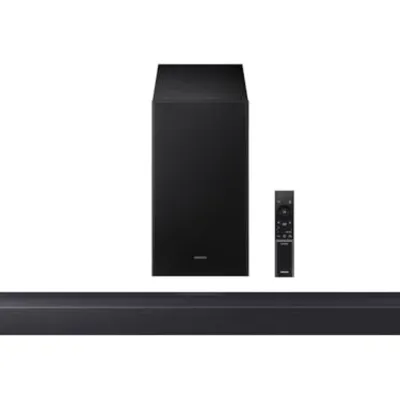
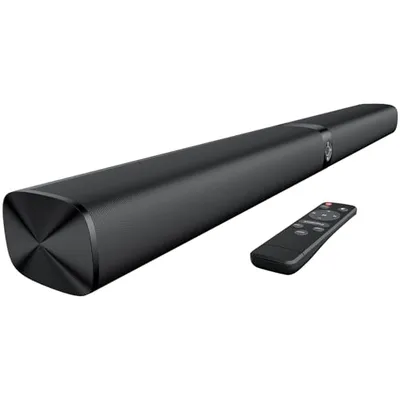
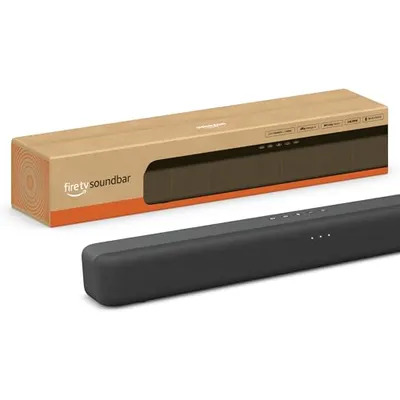
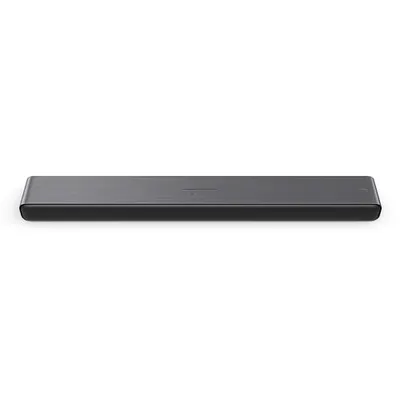
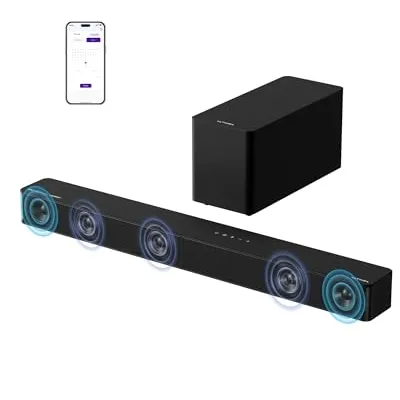
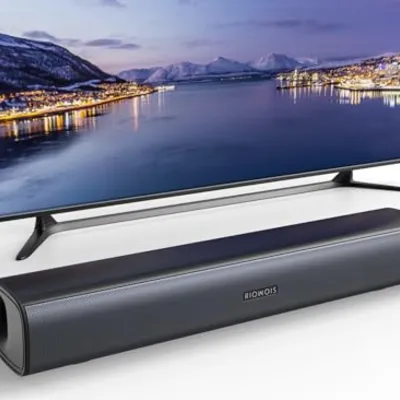
- Consumer Electronics: In televisions, soundbars, AV receivers, and portable audio devices, modes like 'Cinema', 'Music', 'Game', 'Sports', and 'Voice' are common. These aim to optimize the listening experience for the intended content genre and user preference, adjusting EQ, dynamics, and spatialization.
- Automotive Audio Systems: Vehicle audio systems utilize modes to adapt to the unique acoustic challenges of an automotive cabin, such as road noise and irregular speaker placement. Modes may be optimized for driver-centric listening, full cabin immersion, or specific musical styles.
- Professional Audio and Broadcasting: In studios, live sound reinforcement, and broadcasting, modes might refer to specific monitoring setups (e.g., 'Nearfield Monitoring', 'Midfield Monitoring'), mastering presets for different distribution formats (e.g., stereo, 5.1, immersive), or optimized playback configurations for live events.
- Virtual and Augmented Reality (VR/AR): Immersive environments heavily rely on spatial audio modes to create realistic and believable soundscapes, positioning audio objects accurately in 3D space and simulating acoustic reflections of the virtual environment.
- Communication Systems: Voice-over-IP (VoIP) and teleconferencing systems often employ modes focused on speech intelligibility, noise reduction, and echo cancellation to ensure clear communication, sometimes adapting to ambient noise levels.
Technical Specifications and Performance Metrics
The technical underpinnings and performance of audio modes are quantifiable through various metrics, though direct comparison across disparate modes can be challenging due to their subjective nature. Key technical specifications relate to the underlying DSP capabilities and the measurable effects of the mode:
| Metric | Description | Typical Relevance to Audio Modes |
|---|---|---|
| DSP Processor Power (MIPS/FLOPS) | Computational capability of the digital signal processor executing the mode's algorithms. | Determines the complexity and number of real-time processing algorithms that can be employed (e.g., advanced spatialization, multi-band EQ). |
| Frequency Response (dB/Hz) | The deviation of the system's output level across the audible frequency spectrum. | Modes directly alter frequency response. Metrics track the precision and intended shape of the modified curve (e.g., -3dB at 50Hz for a 'Bass Boost' mode). |
| Total Harmonic Distortion (THD+N) | The sum of all harmonic and noise components relative to the fundamental signal. | High-quality modes minimize introduced distortion. Metrics ensure minimal degradation of audio fidelity. |
| Signal-to-Noise Ratio (SNR) | The ratio of the desired audio signal power to the noise floor power. | Certain modes might inherently reduce SNR (e.g., aggressive noise reduction), while others aim to preserve it. |
| Latency (ms) | The delay introduced by the audio processing chain. | Critical for real-time applications (gaming, live monitoring) and sync in AV systems. Aggressive processing can increase latency. |
| Dynamic Range (dB) | The ratio between the maximum and minimum signal levels the system can handle. | Modes like 'Night' mode intentionally reduce dynamic range via compression. |
| Channel Separation (dB) | The degree to which a signal in one channel is isolated from other channels. | Important for stereo imaging and surround sound localization. |
| Crosstalk (dB) | Signal leakage between adjacent audio channels. | Similar to channel separation, crucial for spatial audio integrity. |
Performance is often evaluated subjectively through listening tests, but objective measurements of the underlying audio parameters provide a baseline for comparison and engineering verification. The efficacy of a mode is ultimately judged by its ability to achieve its stated auditory goal (e.g., enhanced clarity, immersive soundstage, intelligible speech) without introducing undesirable artifacts or compromising overall audio quality.
Challenges and Limitations
Despite advancements, several challenges persist in the design and implementation of audio modes:
- Subjectivity of Perception: Auditory preference is highly subjective and influenced by individual hearing characteristics, cultural background, and listening environment. A mode optimized for one listener may be suboptimal for another.
- Acoustic Variability: The acoustic properties of listening environments vary enormously. A mode designed for an anechoic chamber will perform differently in a reverberant living room or a noisy car cabin. Adaptive and AI-driven modes attempt to mitigate this but are computationally intensive and not always perfect.
- Artifact Introduction: Aggressive processing required for some modes (e.g., extreme EQ, heavy compression, noise reduction) can introduce audible artifacts such as pumping, swishing, distortion, or loss of transient detail, degrading the perceived audio quality.
- Conflicting Objectives: Often, the goals of different modes conflict. For instance, maximizing dynamic range for 'Music' fidelity might reduce intelligibility at low volumes, while 'Night' mode's compression can reduce the impact of transient sounds critical in gaming or live music.
- Interoperability and Standardization: The lack of universal standards for naming and implementing modes leads to confusion for consumers and challenges in cross-platform compatibility. Proprietary implementations can create echo chambers where users are locked into specific ecosystems.
- Computational Overhead: Advanced modes, especially those involving real-time AI analysis or complex spatial rendering, demand significant processing power, which can be a limiting factor in low-power devices or cost-sensitive products.
Future Outlook
The trajectory for audio modes points towards increased intelligence, personalization, and immersion. Future developments will likely focus on AI-driven adaptive processing that can analyze not only the incoming audio signal but also the listening environment and user preferences in real-time, dynamically optimizing parameters without explicit user intervention. Advances in machine learning will enable more sophisticated content recognition for seamless mode switching. The integration of hearing health data, through wearables or connected devices, could lead to personalized audio modes that cater to individual audiological profiles, offering tailored intelligibility and comfort. Furthermore, the ongoing evolution of spatial audio technologies and object-based audio formats will necessitate more advanced and nuanced 'modes' capable of rendering complex, dynamic, and truly three-dimensional sound fields with greater fidelity and realism, moving beyond channel-based presets to a more fluid, scene-aware audio reproduction paradigm.